
Keeping your fridge and pantry tidy can save time, reduce food waste, and make cooking more enjoyable. When your food storage areas are organized, it’s easier to find what you need, keep track of items, and maintain cleanliness. Whether you have a small apartment kitchen or a spacious home setup, these practical tips will help you keep your fridge and pantry in order.
Why It’s Important to Keep Your Fridge and Pantry Tidy
A cluttered fridge or pantry can lead to expired food, unwanted pests, and unnecessary trips to the store. Beyond the aesthetics, an organized space can help you:
– Save money by preventing food spoilage
– Reduce stress by making meal prep quicker
– Maintain food safety and hygiene
– Maximize your storage space efficiently
Now let’s explore how you can achieve a tidy fridge and pantry with simple, step-by-step methods.
How to Organize Your Fridge
1. Empty and Clean Regularly
Start by taking everything out of your fridge. Check expiry dates and throw away anything spoiled or no longer needed. Then wipe down shelves, drawers, and door compartments with warm soapy water or a gentle cleaning spray. Make sure surfaces are dry before placing items back.
2. Group Similar Items Together
Organize foods by categories:
– Top shelves: Ready-to-eat foods like leftovers, snacks, and drinks
– Middle shelves: Dairy products, eggs, and deli meats
– Bottom shelves: Raw meat, poultry, and fish—best kept here to avoid cross-contamination
– Drawers: Use designated crispers for fruits and vegetables, keeping them separate based on humidity needs
– Door compartments: Store condiments, butter, and small jars here
Using clear bins or containers can help group items and make cleaning easier.
3. Use Clear Storage Containers
Transfer food items into airtight, transparent containers to keep items fresh and visible. This avoids creating piles of random packaging and lets you quickly spot what you have.
4. Label Everything
Label containers with food names and dates to keep track of freshness. This simple step helps prevent forgotten leftovers from turning into waste.
5. Adjust Your Temperature Settings
Keep your fridge temperature between 37°F (3°C) and 40°F (4°C). This keeps food fresh without freezing.
How to Organize Your Pantry
1. Clear Out and Assess
Remove all pantry items and evaluate them. Discard expired or stale foods. Group open packages together, and consolidate duplicates if possible.
2. Categorize Your Items
Sort your pantry into logical categories, such as:
– Grains and pasta
– Canned goods
– Baking supplies
– Snacks
– Spices and herbs
– Oils and vinegars
Organizing this way makes it easier to find things and maintain inventory.
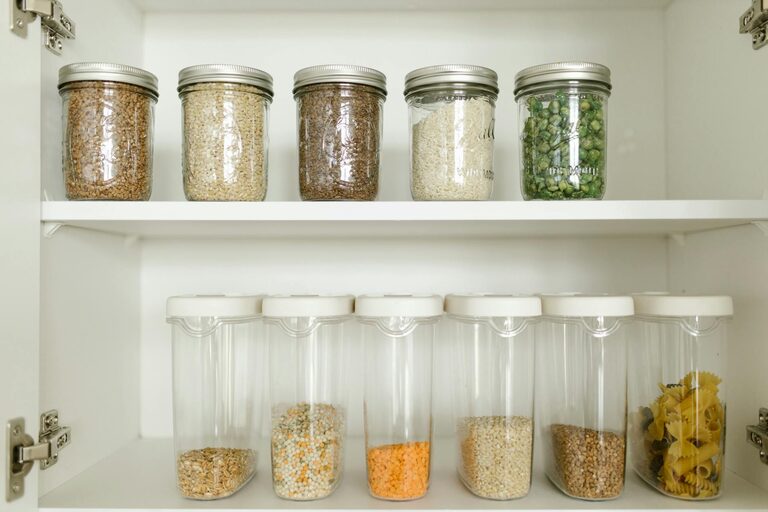
3. Use Storage Solutions
Invest in durable storage options such as:
– Clear airtight containers for dry goods (flour, sugar, rice)
– Baskets or bins for grouped items like snacks or packets
– Tiered shelf organizers for cans and bottles
– Spice racks or magnetic containers to save space
4. Label Your Containers and Shelves
Just as with the fridge, labeling helps you quickly identify contents and keep items in their proper place.
5. Place Frequently Used Items at Eye Level
Make meal prep smoother by placing commonly used products where they’re easy to reach. Less frequently used items can go on higher or lower shelves.
6. Keep a Running Inventory List
Maintain a small list on your pantry door or nearby, noting what you need to replenish. This prevents overbuying and keeps your pantry stocked efficiently.
Tips for Maintaining a Tidy Fridge and Pantry
1. Practice Regular Cleaning
Aim to clean and reorganize your fridge and pantry every two to four weeks. Frequent checks prevent messes before they pile up.
2. Shop Smart
Plan meals and shop with a list. Avoid buying perishable food you won’t use in time. Buy in reasonable quantities based on your household size.
3. Use FIFO (First In, First Out)
Arrange new groceries behind older ones so you consume older items first. This reduces waste by ensuring food is used in order.
4. Avoid Overloading Shelves
Avoid crowding your fridge and pantry. Overstuffed shelves reduce airflow and contribute to spoilage.
5. Keep a Trash or Compost Bin Nearby
Having a bin inside the kitchen encourages immediate disposal of packaging or spoiled food, keeping surfaces cleaner.
—
Keeping your fridge and pantry organized takes some commitment but offers long-term benefits for your kitchen’s efficiency and your overall food consumption habits. Start with small changes and regular upkeep, and you’ll enjoy a cleaner, more functional kitchen in no time. Happy organizing!